 |
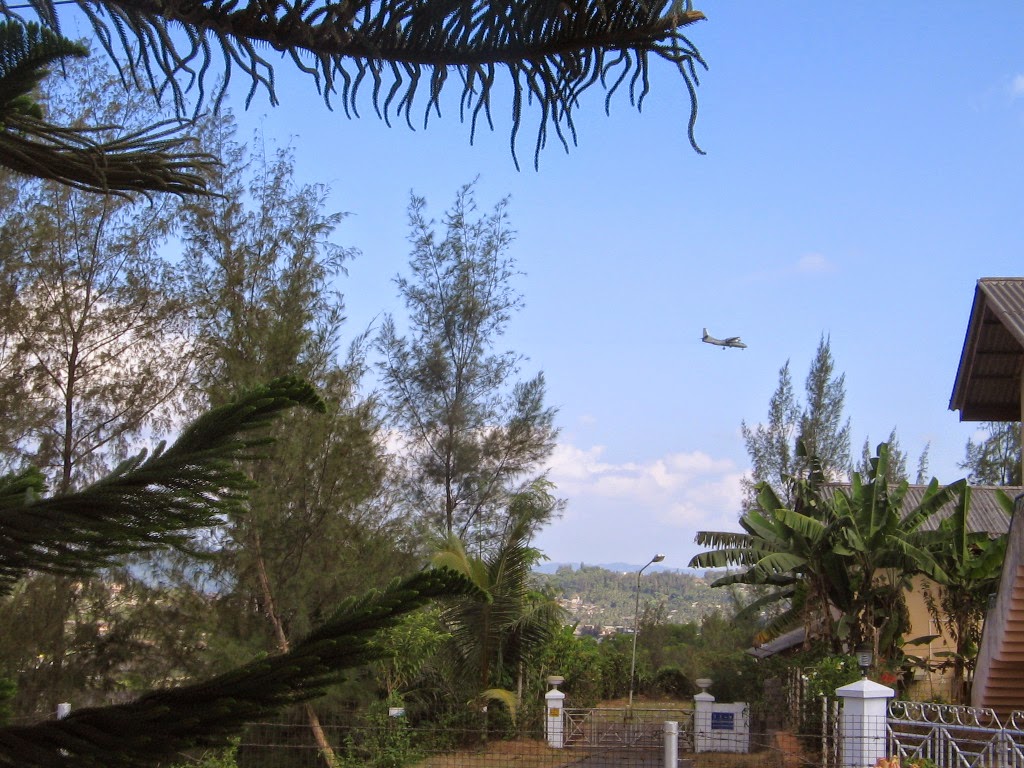
| Beautiful view from House |

Sea View from Port Blair Circuit House
Tsunami struck Andaman & Nicobar Islands on 26th Dec.2004 . It was a once in a lifetime experience of exposure to a natural event which occurs not more than once in a century. Firstly the islands were struck by massive earthquake in early morning .
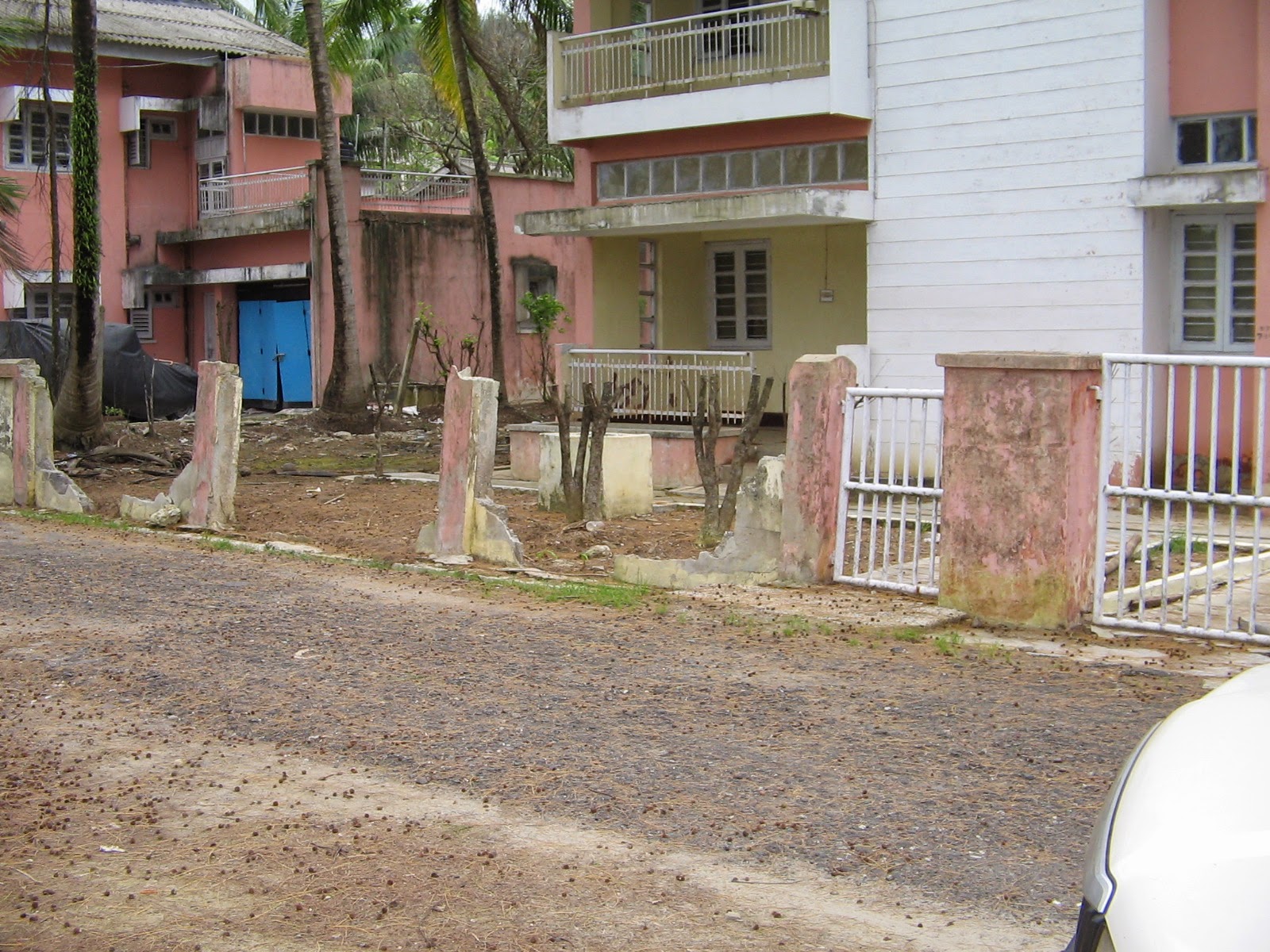 |
| Damages caused by waves |
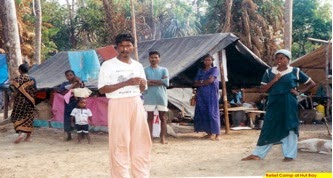 |
| A relief camp at Kachal |
The
second lesson was about the need for knowing your geographical facts and maintaining proper records of major geographical events . When tsunami
struck the Islands hardly anyone knew what the word Tsunami meant. Tsunami
is a phenomenon where huge waves are
generated due to seismic activities under the sea created by movement of
tectonic plates. These waves carry force of several mega tonnes and wall of
water moving at the speed of a jet plane breaks only on reaching the sea
shore. On reaching the shore initially a huge wall of water is formed and then water moves
seawards with such force that the seabed
becomes exposed due to suction effect. When Tsunami struck there was no early warning mechanism in place. The fact that seismic disturbances of such magnitude are bound to be followed by Tsunami was not known to common population. People in a particular Island were
amazed to see an exposed sea bed and got down to catch fish and other forms of sea life in the empty seabed.
They had no inkling of the impending movement of water backwards. After a few minutes the huge wall of water
struck back again sending hundreds of persons to a watery grave instantly.
 |
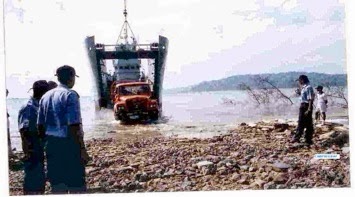
| Army Jawans offloading Material for Reconstruction |
 |
| Consignment of relief supplies |
During the period which followed the disaster a difficult part related to managing the supply of information to various Govt. agencies. After the several islands were without electricity , communication networks and other basic necessities. I got assigned to control room for compilation of various reports. After the Tsunami there was an immense hunger for information in the media and at various levels of governance. Due to complete breakdown in communication channels , information had to be compiled through various means with great difficulty. The control room initially could prepare daily reports much later than midnight. Various Govt bodies had to be sent reports as per formats of their choice. Officers in field found reminders from Hqs for daily reports very annoying in difficult conditions .
Many times reports were delayed or incomplete inviting ire from intended receipient Govt. agencies. In retrospect it appears that there was perhaps absence of appreciation about difficulty of our task. It could be helpful in times of crisis of this magnitude that the minimum statistical information be sought in times when focus is on rescue and relief.
These are some of the lessons learnt from this crisis of unprecedented magnitude which caused loss of thousands of lives. The list would however not be complete without referring to a very interesting fact about behaviour of Jarwas a primitive tribe which is located in North Andamans .This tribe numbering around 2000 has been allowed to survive in isolation from modern civilization and is unique for it’s genetic purity. It came to be known after Tsunami that the Jarwas perhaps had read something in nature about the events which were to unfold. They had moved away from coastal areas in advance and there were no Tsunami related causalities in Jarwas ! Lesson learnt was that Tribals have evolved or managed to retain mankind’s early warning system for natural calamities and we have many things to learn from Tribes.
Another important feature of rehabilitation which reflects wisdom of tribal institutions was the treatment of orphaned children in Nicobar Islands.In these Island there is a system of community living in villages. The children who lost their parents were considered responsibility of entire community and adopted by it.Hence there were no orphans or destitutes in the Nicobar Islands after Tsunami.
 |
| Educational Activities in relief camp |
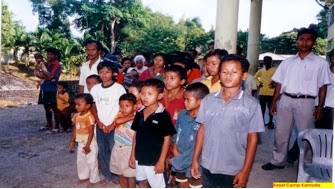 |
| Children in relief camp |
prevented by rigorous monitoring through Central agencies who set up static and mobile surveillance posts . Educational activities and skill development training was continued in the camps and the children were duly cared for being the survivors who would pass on the message to future generations.
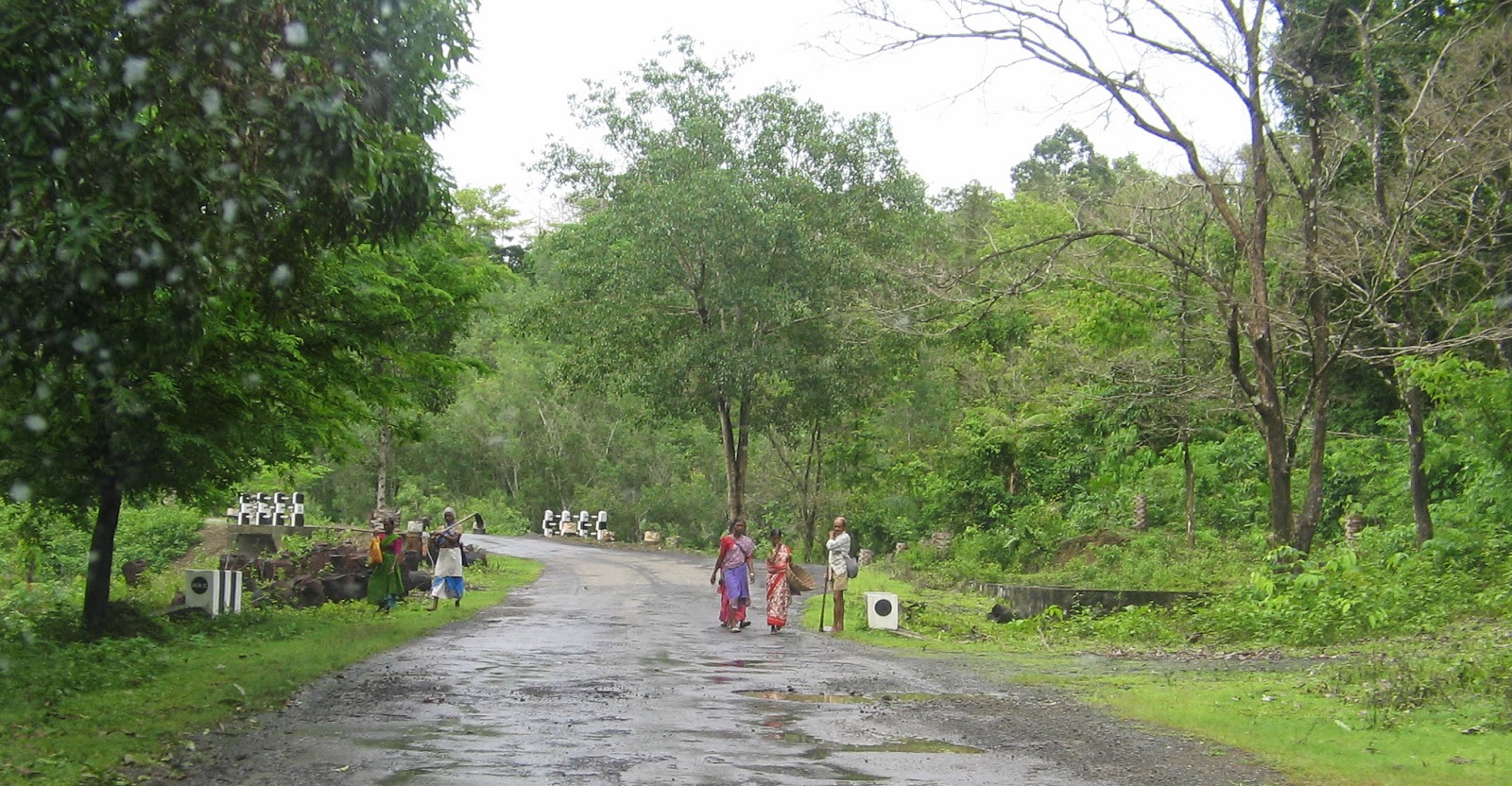 |
| Glimpse of Andaman Trunk Road |


